Palm Beach County Puts a One-Year Pause on Hyperscale AI Data Centers
Commissioners voted 6-0 to stop accepting new applications for massive AI data centers for a year, a decision that grew out of the Project Tango fight near Arden. Here's what the pause covers, and what could come next.
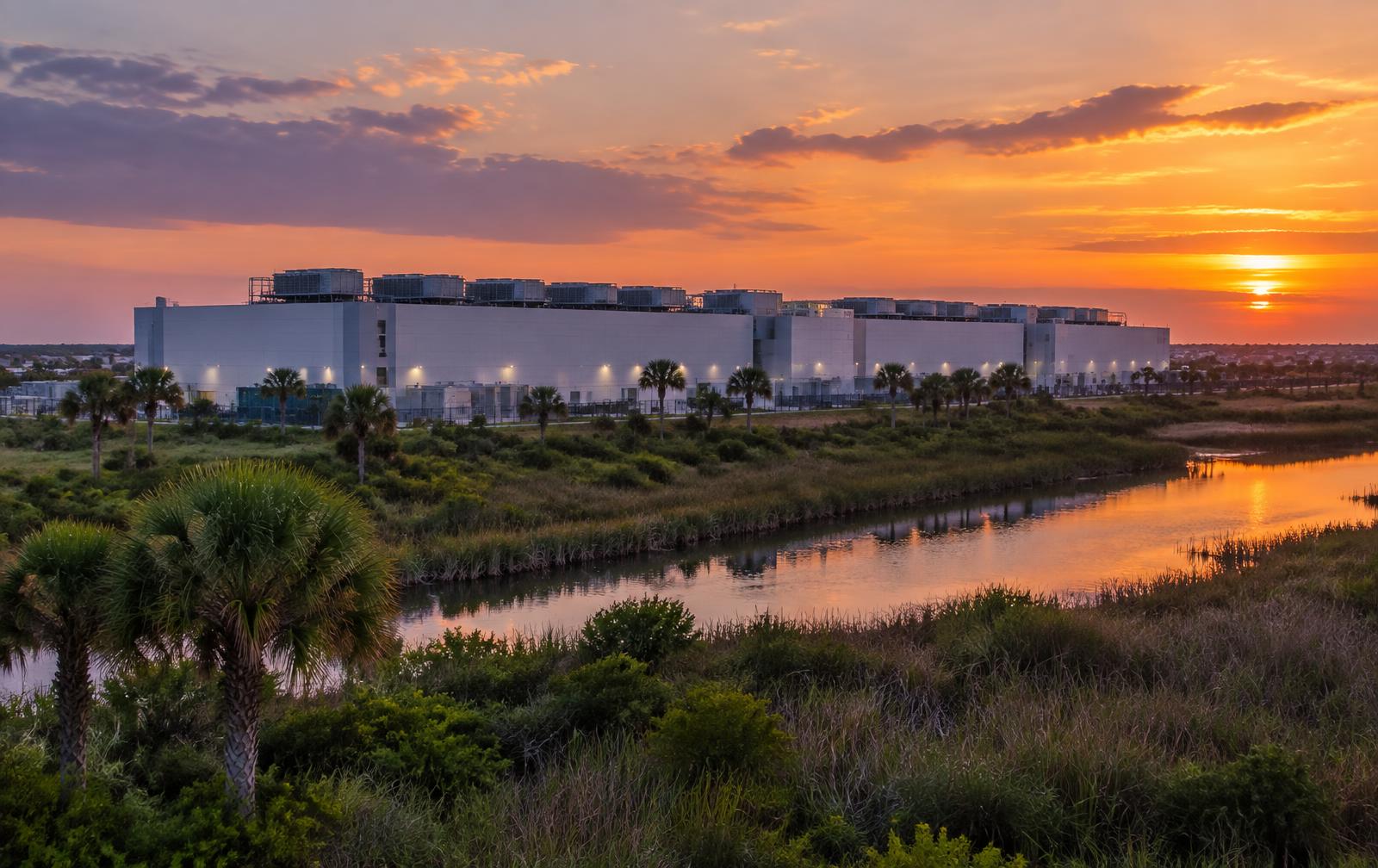
Palm Beach County commissioners voted unanimously on Thursday, Sept. 24, to pause new hyperscale AI data centers for one year, a decision that grew directly out of the fight over Project Tango, the massive data center proposal near the Arden community.
The board voted 6-0 to stop accepting, processing, or approving new applications for data centers in unincorporated Palm Beach County with an anticipated peak electrical load of 50 megawatts or more. The moratorium took effect immediately and runs until Sept. 24, 2027, or sooner if the county adopts permanent rules before then.
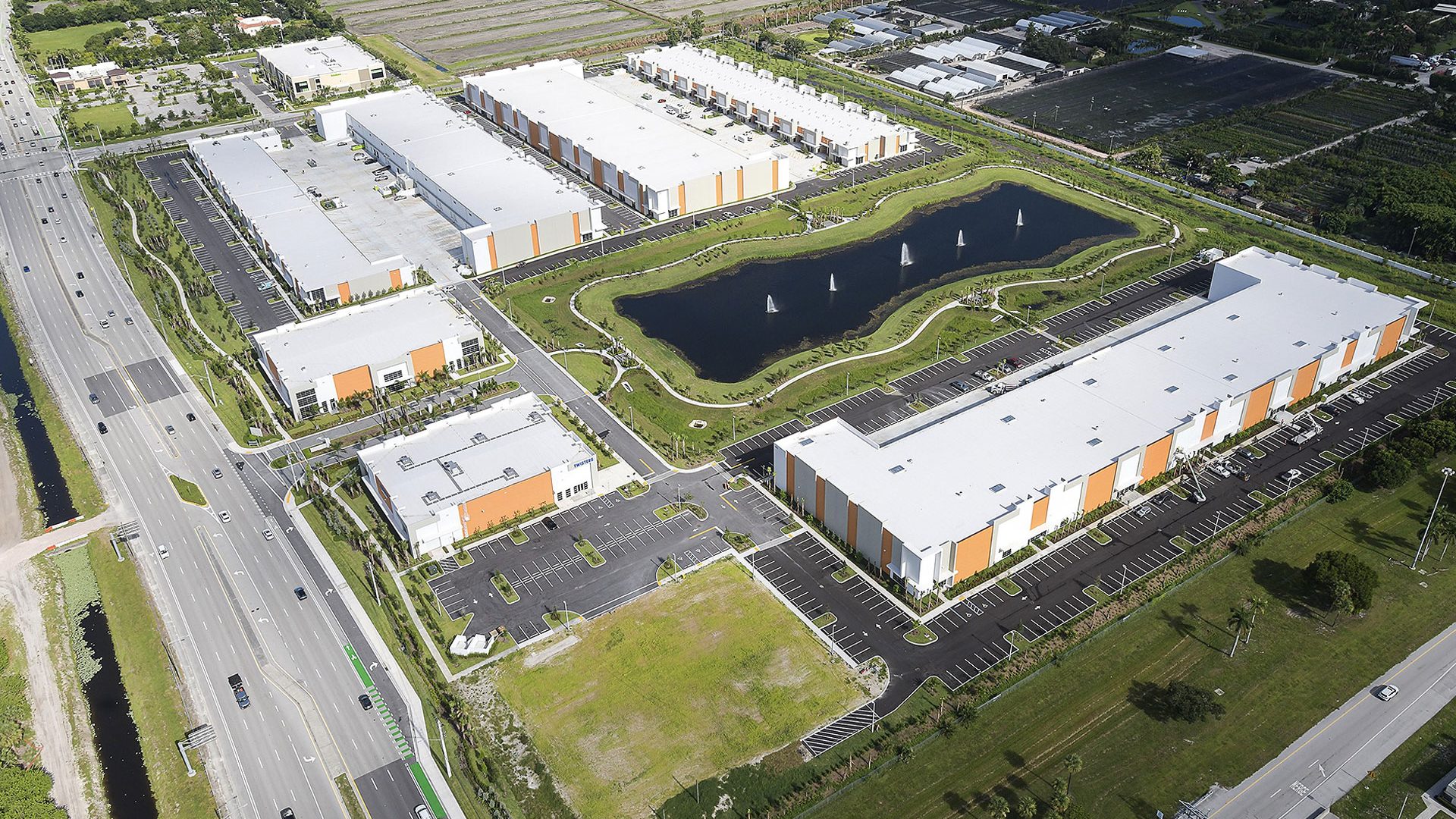
Commissioners said existing zoning rules, written long before today's AI boom, aren't equipped for facilities that can consume as much electricity as tens of thousands of homes. The catalyst was Project Tango, a proposed data center campus on roughly 200 acres near Southern Boulevard and State Road 7, close to homes and Saddle View Elementary School. In July, after a public hearing that stretched about 12 hours, commissioners rejected the project's proposed hyperscale expansion 5-1, citing concerns about noise, water and electricity use, and the school next door.
That rejection didn't erase everything: an earlier approval for two 100,000-square-foot buildings on the site remains in place, and applications already deemed sufficient before the moratorium can continue under the old rules.
The moratorium is not a ban on data centers. Projects under the 50-megawatt threshold can still apply, though a Florida-licensed professional engineer must certify their expected power load. The county also closed a loophole: developers can't split one project across multiple properties to sneak under the limit.
County staff plan to spend the year studying noise, electricity and water use, and how compatible these facilities are with the residential communities pushing westward. Rules under discussion include public disclosure of who operates each facility, sound studies, greater separation from homes, and landscaping buffers. Commissioners rejected a proposed nine-member advisory committee and instead directed staff to bring back a contract for an outside consultant.
Commissioner Gregg Weiss, whose district includes much of the west county, was blunt: "Palm Beach County has a message loud and clear, and that was hell no on AI data centers near our neighborhoods." Commissioner Marci Woodward urged residents to stay involved: "The public should come, listen, watch, show up, put in a card and speak every single time."
Florida is expected to have roughly a dozen large data centers by the end of 2026, and developers are scouting new markets across South Florida, so the debate is far from over. For now, the practical effect closer to home is simple: for the next year, no new hyperscale data center applications in unincorporated Palm Beach County, and a year of public meetings ahead that will shape the permanent rules.
You can find more information at WPTV.